Esther and I have now been in Italy for a week, and have been equally challenged, immersed, and delighted by Italian culture.
The vast majority of Italians we have met have been warm, kind, and helpful hosts to us as foreigners, despite our limited vocabulary!
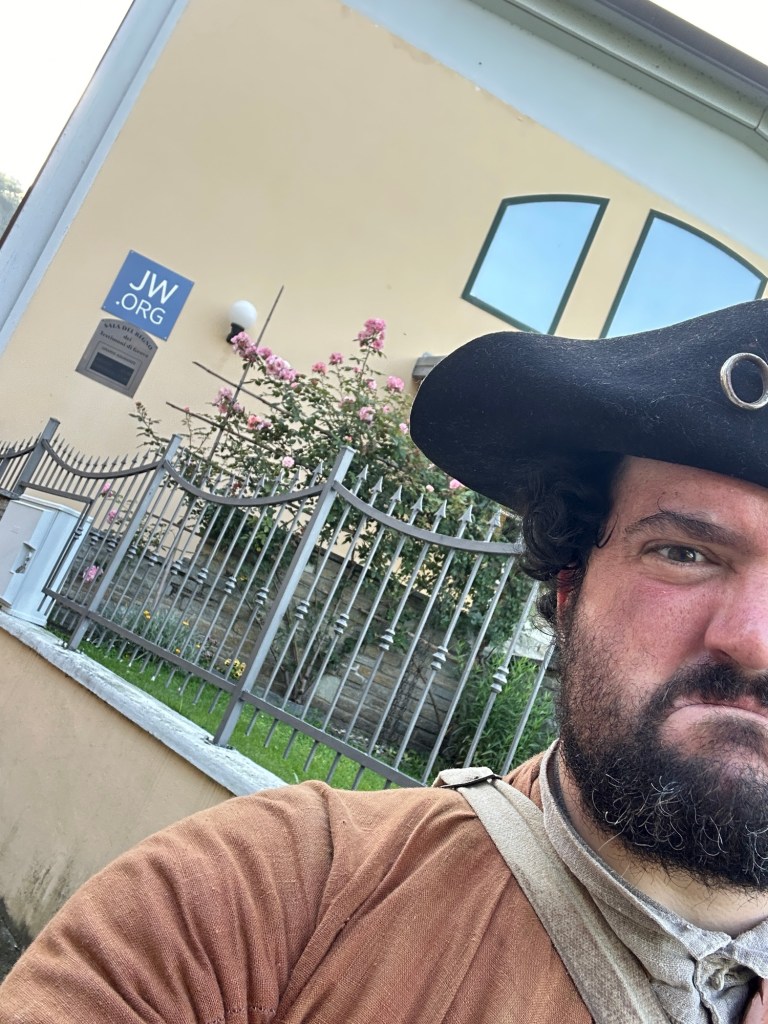
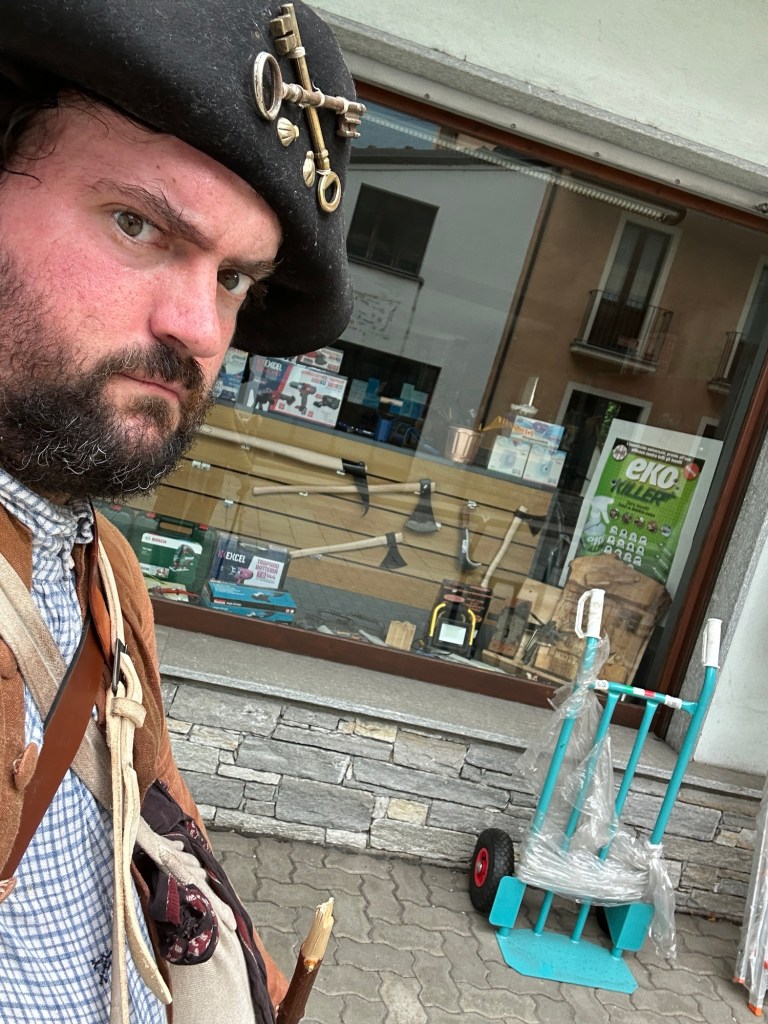
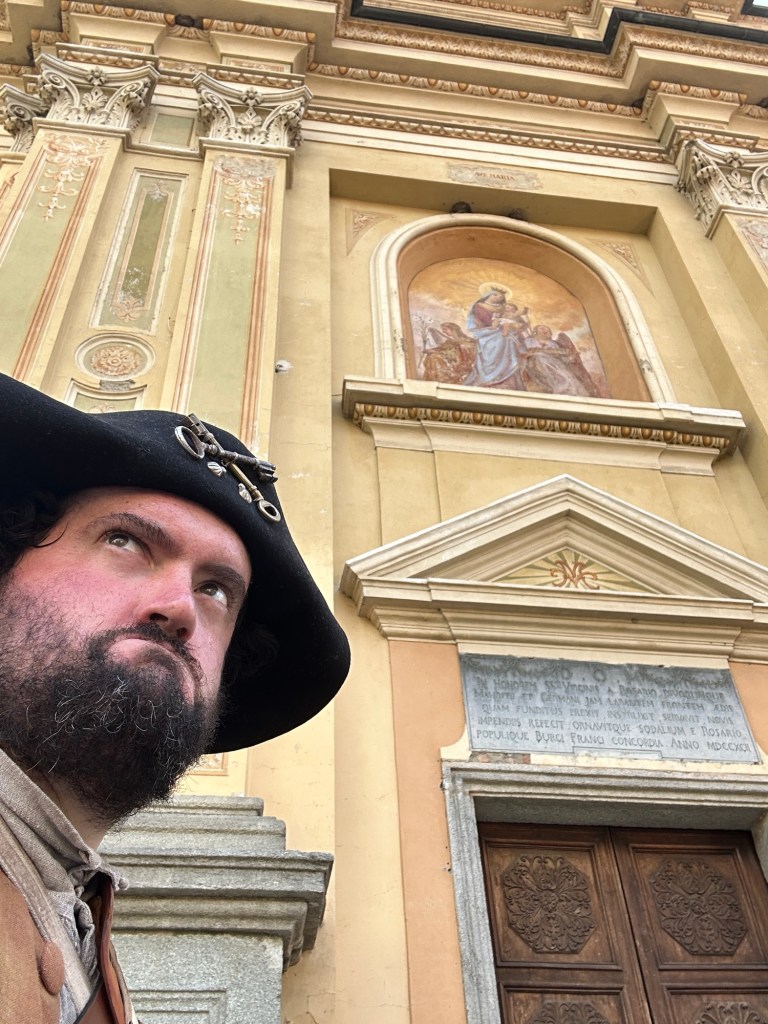
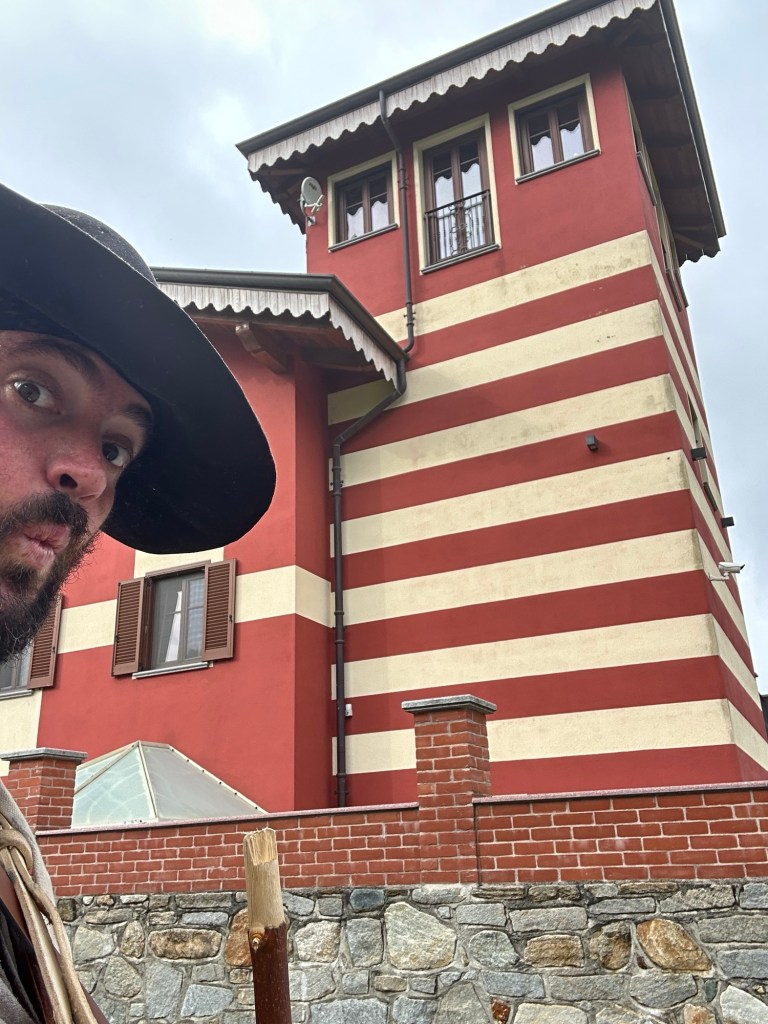
My goal in writing this is to humorously point out some things we’ve seen, and how they would be misinterpreted by 1770s Americans.
Basically, even though our Founders’ elites education idolized Greco-Roman/Classical ideals, architecture and history, most ‘average’ 18th century Americans harbored truly hostile and ridiculously bigoted ideas about Italy. [And some of those misbeliefs linger, even today.]
I think highlighting these absurd beliefs is a great way to highlight current anti-immigrant/minority (political) rhetoric in America. By putting current xenophobia in its wider historical scope, we might be better equipped to face the patriotic panics of today…details below.
A New Englander amidst Sensuous, lascivious Mediterranean culture!
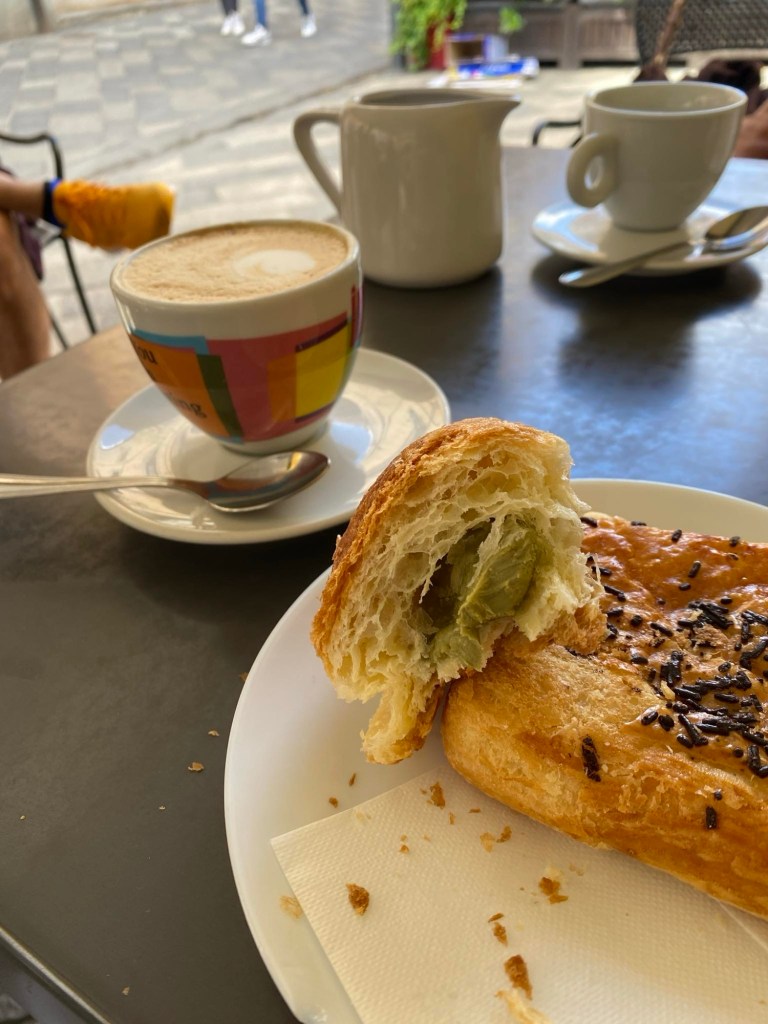
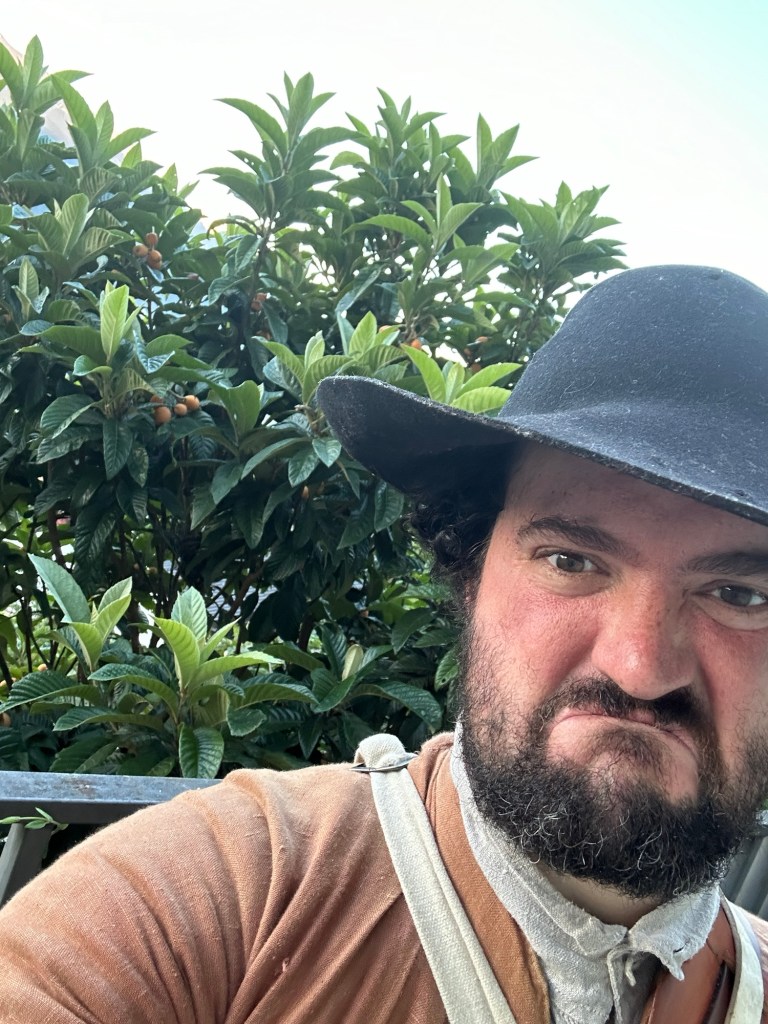

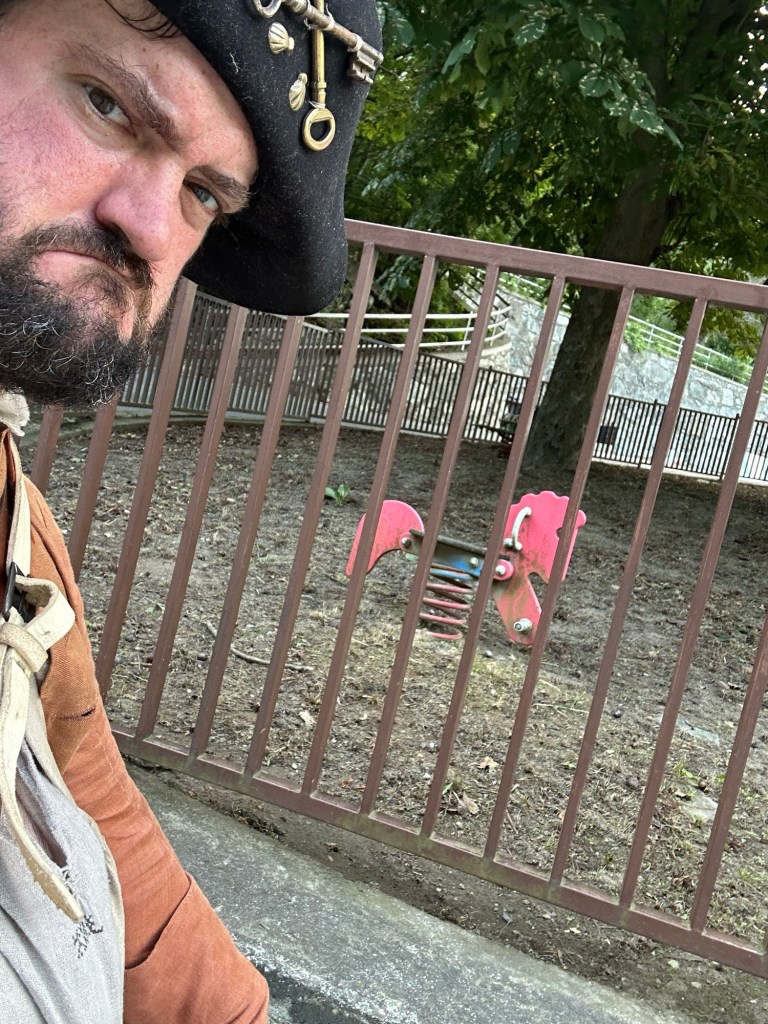



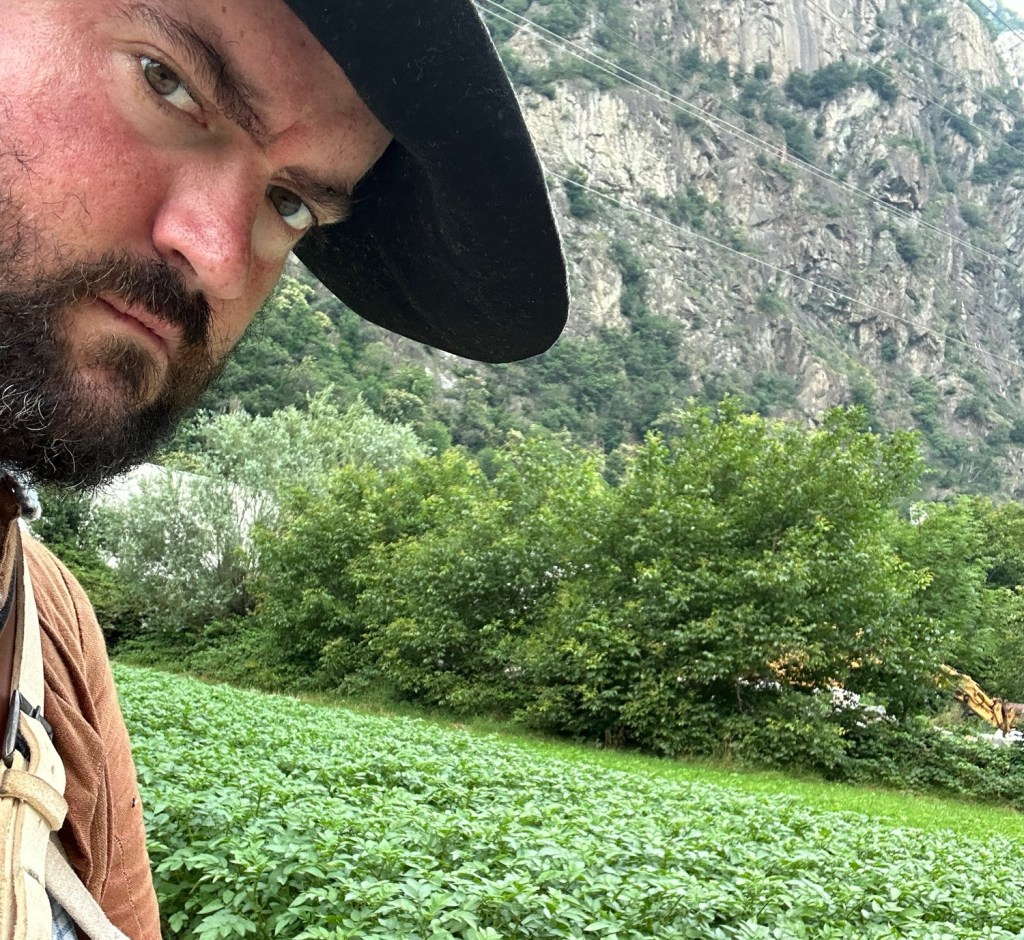

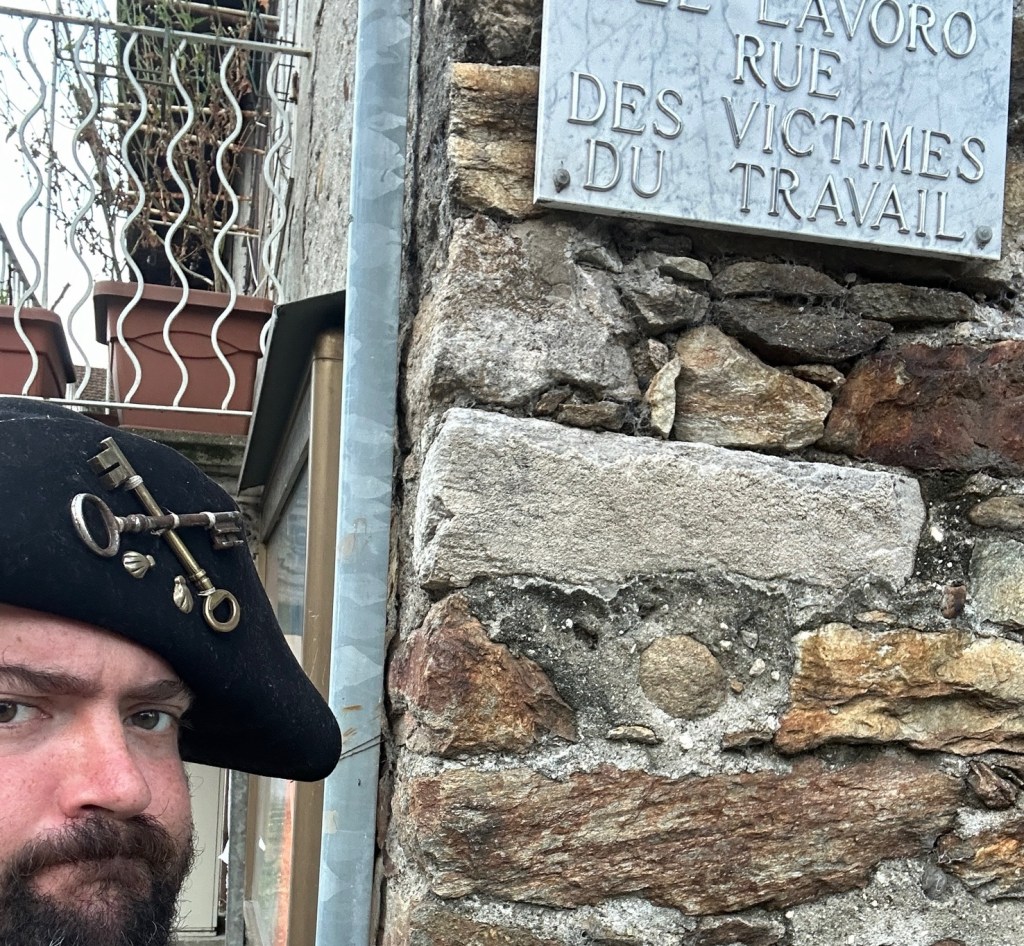




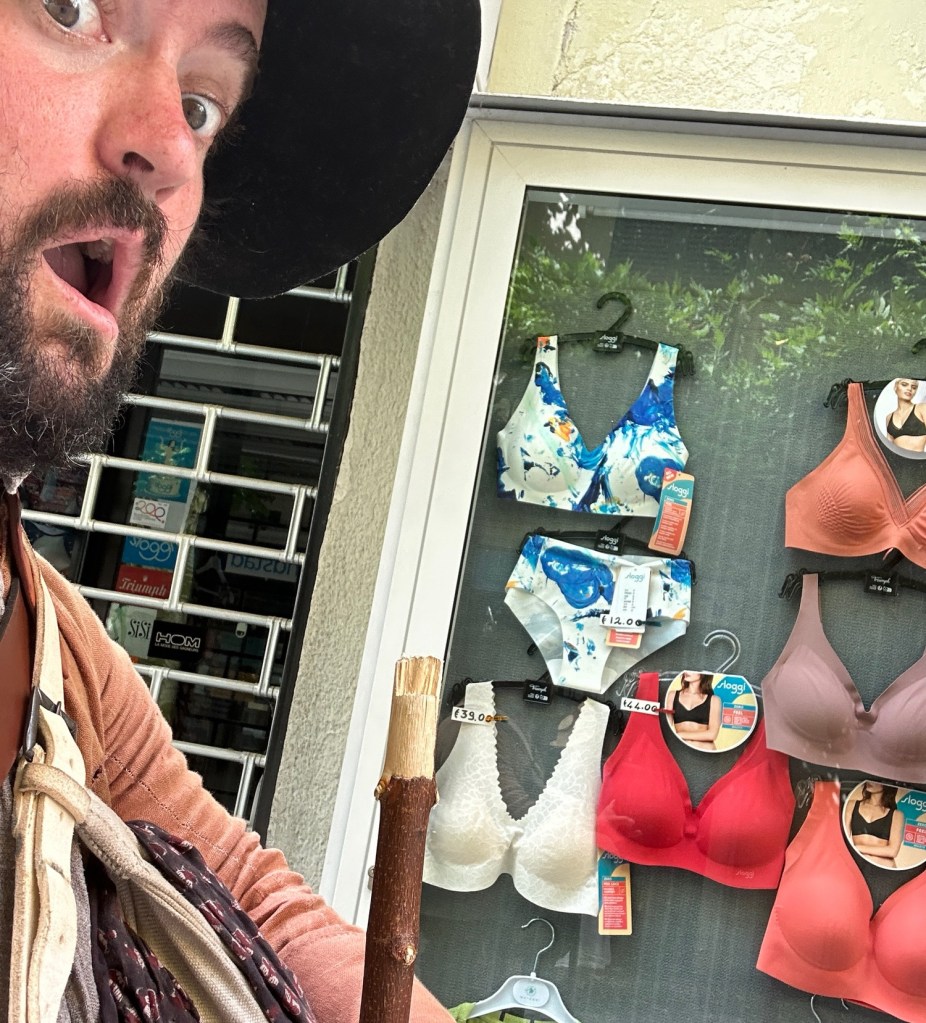


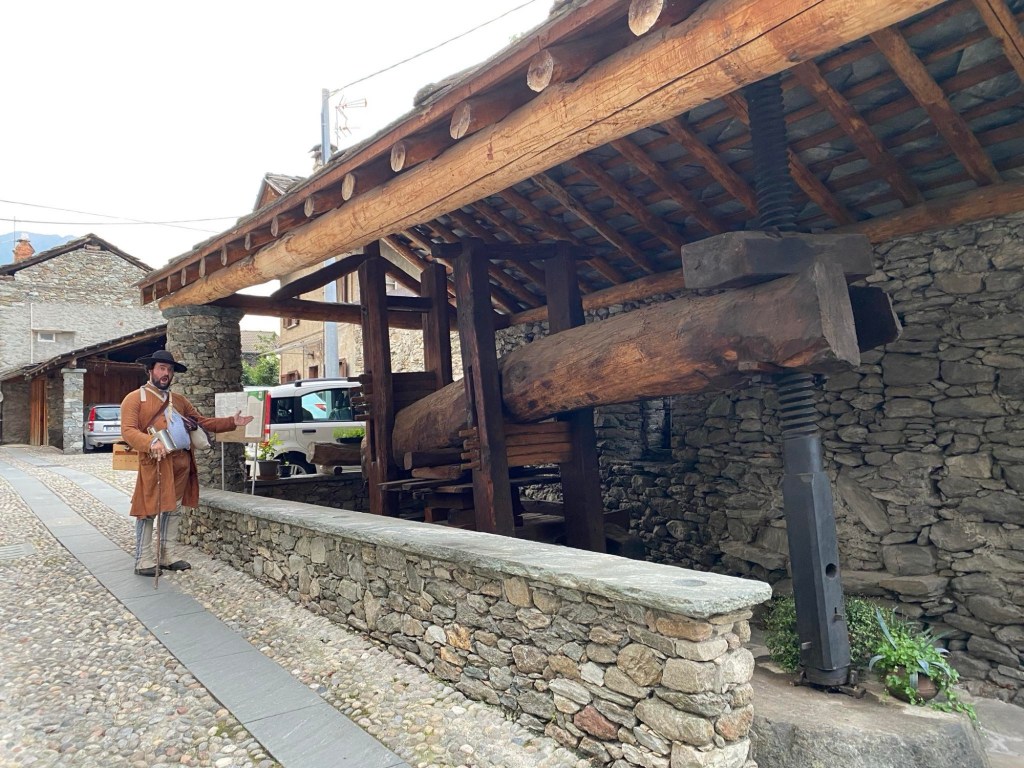
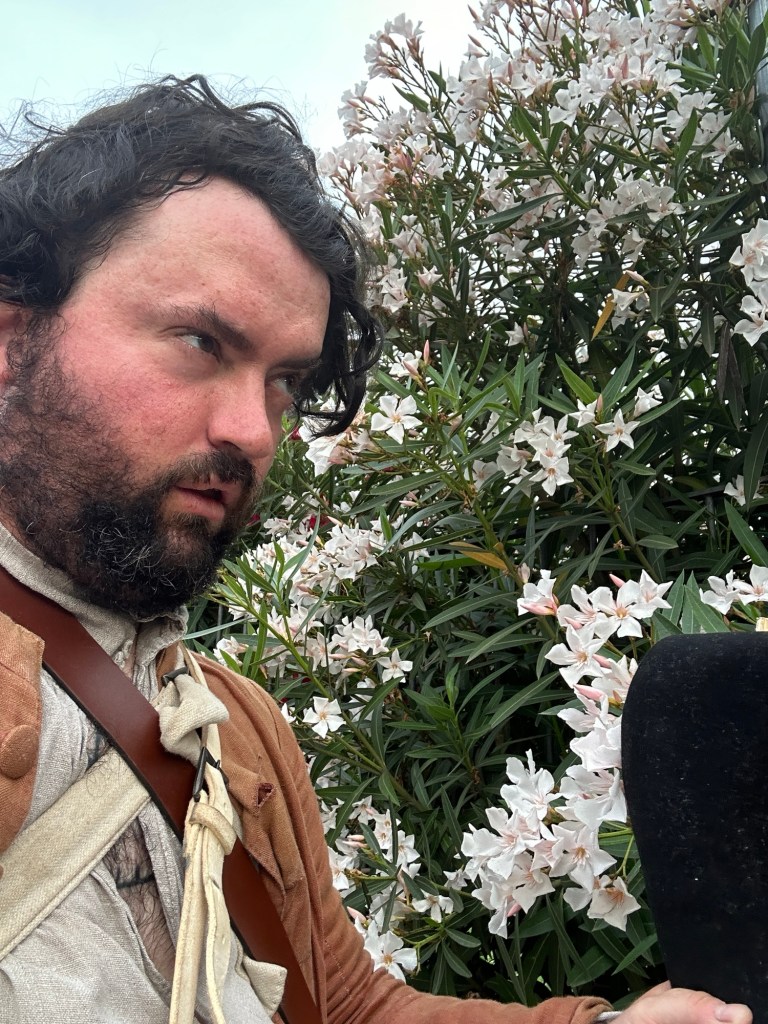


A Congregationalist amidst Papist superstition, idols, mystics, relics!
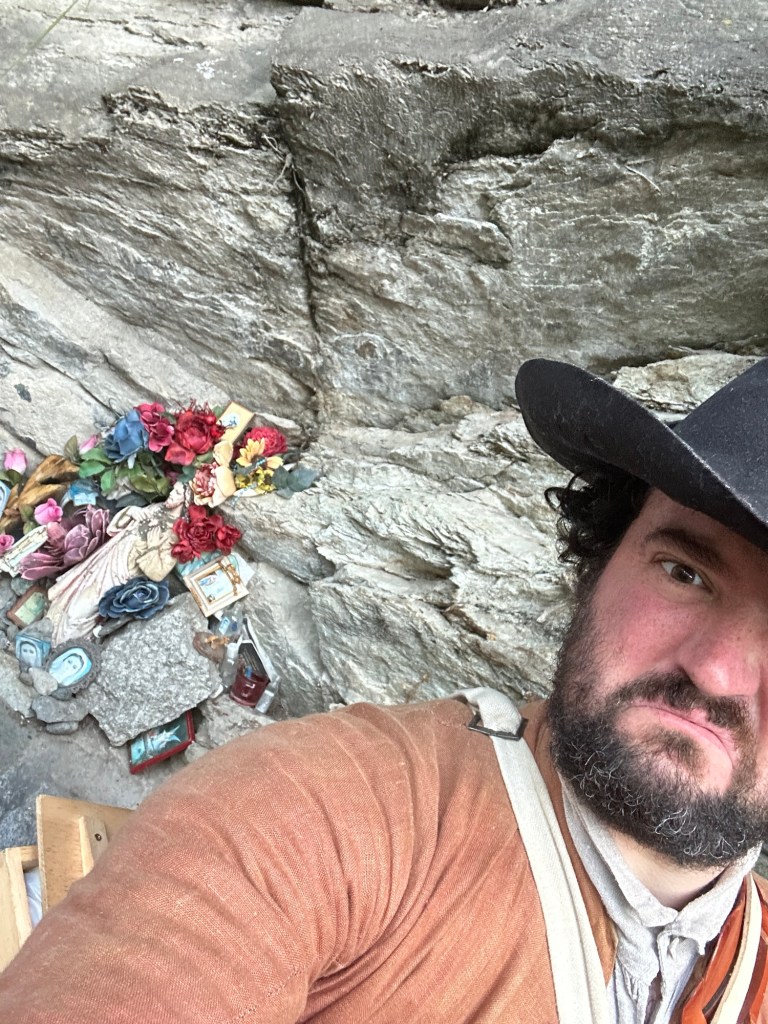
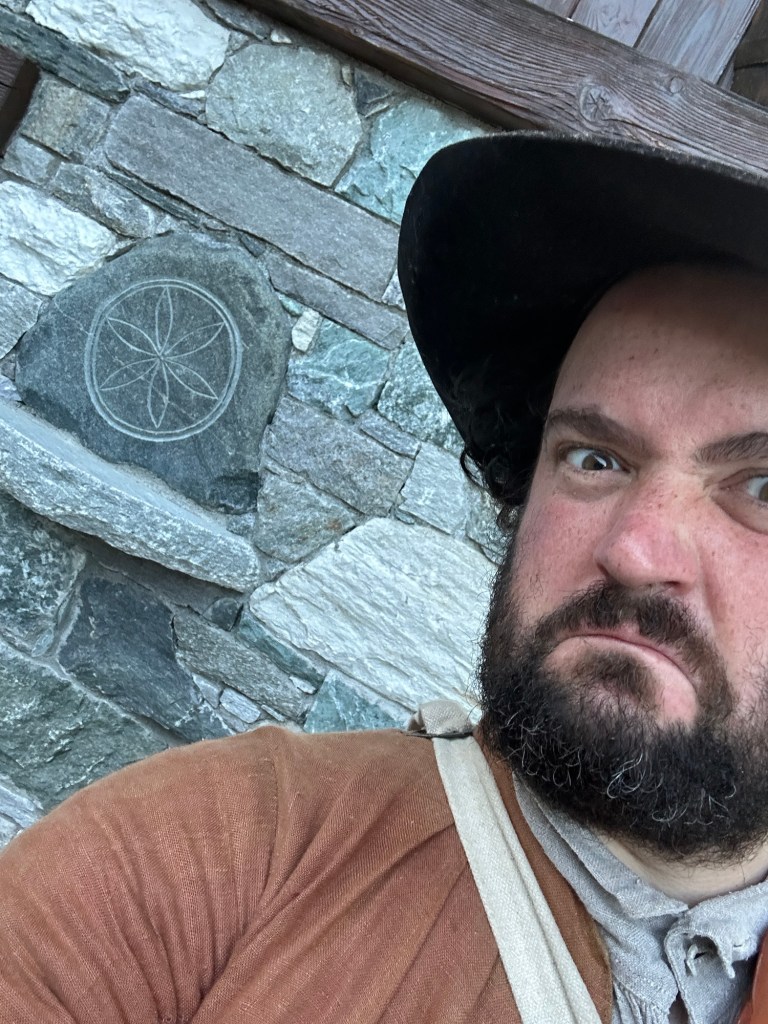

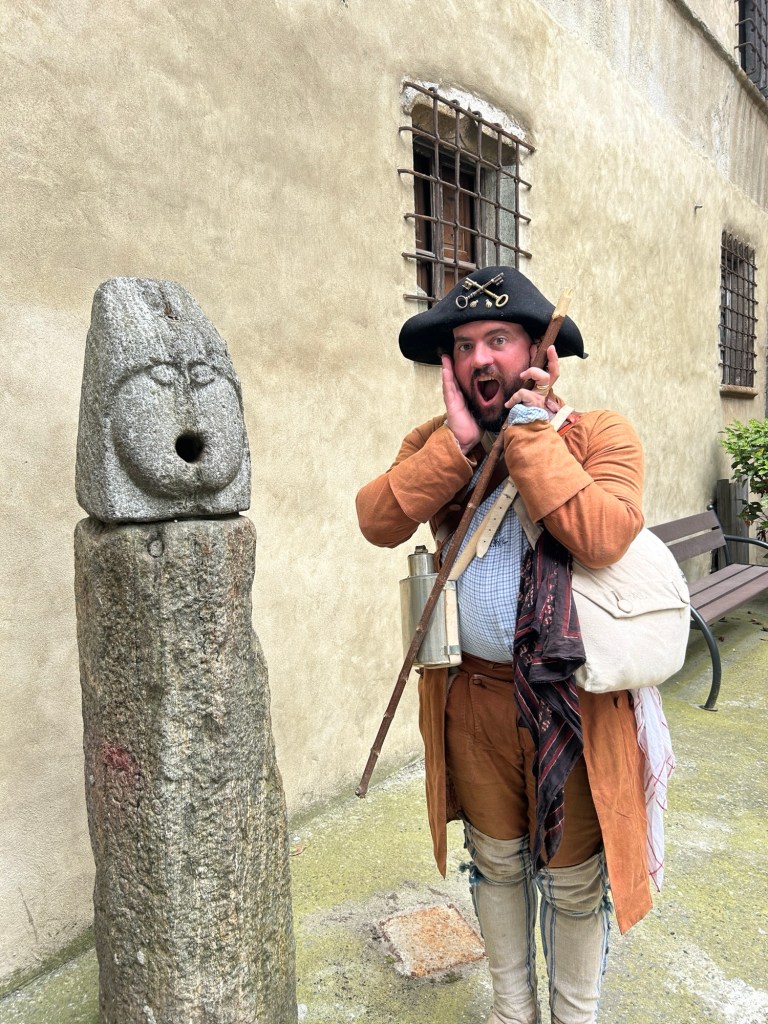








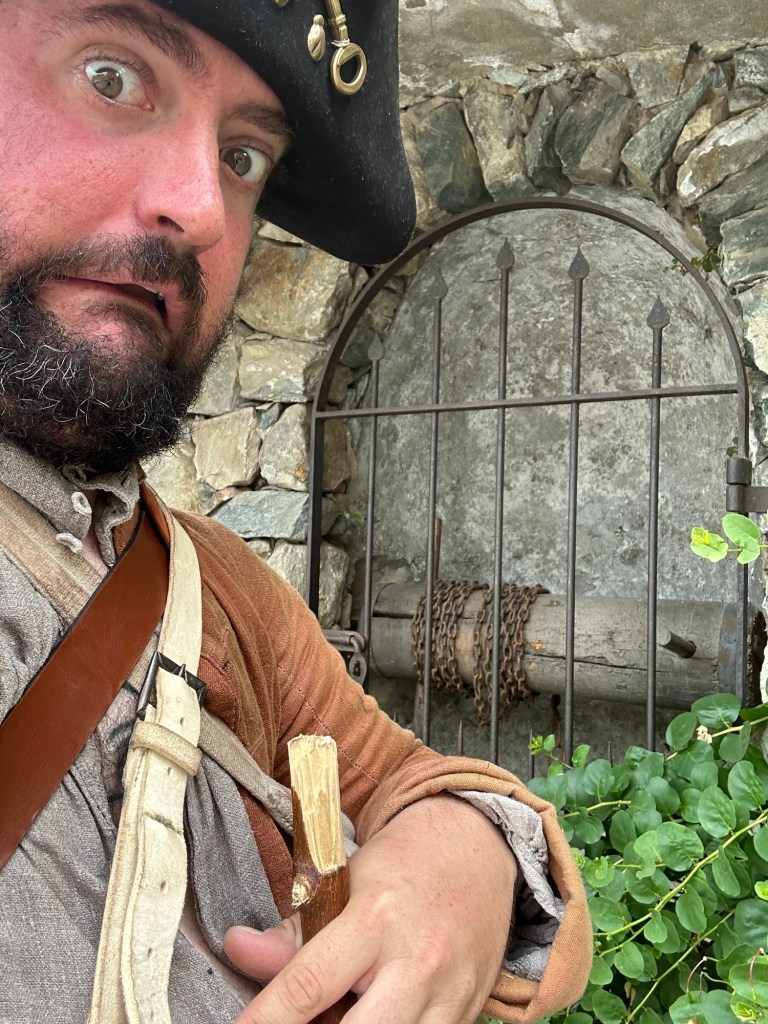

More seriously…
‘A short history of American Paranoïa of « Papist infiltration »’
For the first 250 years of colonial history, most Americans, particularly in New England, were overwhelmingly Protestant and highly opposed to ‘Papist’ immigration. Raised on stories of Europe’s religious wars and convinced of their own spiritual supremacy, most feared the power of Catholic monarchs, who they believed followed secret Papal orders and oppressed their indoctrinated peasantry with the help of the Vatican. Particularly feared were ‘agents of infiltration’ like the Jesuits (and latterly, the Scalabrinian Missionaries and Opus Dei). Puritans had fled to Massachusetts precisely out of these fears, and their desire to make society anew.
In this vein, New Englanders’ own colonial violence was contrasted with the supposedly far more savage ‘Black Legend’ in which Catholics (particularly from Spain) had ravaged and exploited indigenous people with the cross and sword. [This is particularly ironic given the current replacement of Colombus Day by Indigenous Peoples Day. The Genoan ‘hero’ of Colombus (who never even visited mainland America) was initially adopted by Italian Americans as an all-American example of their patriotic and cultural assimilation].
The arrival from the 1820s onward of tens of thousands of Irish, Italian and Québécois Catholic immigrants therefore brought about a nativist backlash that lasted over a century. In my hometown of Boston, for instance, a convent was burned by a mob in 1834, besides larger urban riots throughout the century. Wider fears about demographic change led to an entire ‘Native [born] American’ political backlash throughout the 1840s and 50s with the rise of mass groups like the ‘Know Nothings’. Following in this tradition, early 20th century demagogues particularly demonized Italian immigrants for their connections to organized crime (ie, the Mafia), their economic ‘subversion’ of white workers, and violent anarchist terrorism.
Meanwhile abroad, the US went to war with Spain in 1898 to seize the Catholic territories of Puerto Rico, Guam, the Philippines and Cuba, (the first two which remain US territories). So even as Americans demonized the Old World empires for their spiritual decadence, we readily absorbed their populations… but did not give them Senators.
Such racialized anti-Catholic discrimination and violence was not limited to overseas, however. While the 1891 lynching of 11 Italian-Americans in New Orléans was the largest example of anti-Italian hysteria, the 1920 Saco and Vanzetti execution in Boston is perhaps the most infamous. And New England was paradoxically a major part of the post-1915 rebirth of the Ku Klux Klan, with southern Europeans (who were not yet considered white by most native born Americans) as much a target as far smaller black minorities.
Even as late as 1960, Americans were being warned by evangelical ministers and John Bircher activists that a vote for JFK was part of a liberal/Papist/Marxist plot to subvert democracy. [Sound familiar?]
So what changed between all this and the present day? Or did it?
In large, the shared experience of WWI and WWII military service, and the broader assimilation and secularization of American society has largely eased the pains of this history, which is now largely forgotten. I don’t write this to bring up bitter history, but because this pattern of « Othering » new immigrant groups is alive and well.
It is worth considering such patterns, particularly in an age where Latino immigrants are connoted with MS13 infiltration, where Middle Eastern refugees are branded in media as unAmerican ‘terrorists’, and large swathes of conservative Americans become terrified of demographic ‘replacement theory’ by Jewish elites.
It is also equally ironic when 5th generation (Italian) Americans, while fairly split liberal/conservative in 2024, can themselves still succumb to demagogues who fearmonger on new immigrant groups for being the « wrong kind of American ». Americans of Italian descent gave us Zambonis, Chigardelli chocolate, and made our national cuisine vastly more flavorful (even with Olive Garden). And the US is nearly all a nation of immigrants, both legal and illegal. We are ‘E Pluribus Unum’, woven as one out of many diverse strands. .
So yes, the photos of my historical hysteria concerning Italian agriculture, wine, garden tools and icons of the Virgin are satire.
But the larger idea of who we consider worthy of becoming American is clearly still very much a work in progress.

 Time Traveling Tales
Leave a comment